Memories with Barbie
As a young girl, I distinctly remember owning both baby dolls and Barbies. I never found anything wrong with having baby dolls and baby bottles. Looking back, I see why there needed to be more toys available to adolescents and not just ones pushing the idea of motherhood. I have very fond memories of playing with my Barbie and Ken dolls. I would make my brothers and sister play with me. Not only did we play with the dolls, I owned many of the Barbie movies and watched them with my siblings. I absolutely loved watching actress Barbie playing all of her roles and perhaps that is what inspired me to study acting. Growing up Latina, looking differently from Barbie never bothered me. I loved having a doll I was able to customize and dress up. I was able to make up storylines and make my Barbies do anything I wanted.
“I used to play house and have fashion shows with Barbie dolls. My sister and I would set up a red carpet for the Barbies to walk along and showcase their different outfits. We also had mermaid ones, we would pretend we were in a underwater kingdom and our mermaid Barbies were princesses. I used to love playing with Barbies. As well as my love for the dolls, I also shared my love for the Barbie movies. I used to watch all the Barbie movies on repeat. I loved Barbie and the Diamond Castle as well as Princess and the Pauper.”
-Kylee F.
“I didn’t play with my Barbie’s a lot. But I remember my house my Barbies lived in. And I had a bunch of clothes for Barbie.”
-Gianna R.
“I would always come up with scenarios for my dolls. I loved my Barbies, playing with their hair, dressing them up, and doing fashion shows with them. I love Barbie. I love watching Barbie (movies) so much. I watched the movies and would buy the dolls because of them, especially the mermaid Barbie dolls!”
-Dineen L.
“I preferred playing with my many stuffed animals or the only doll I did like—Barbie. With my animals, usually I was rescuing them from some horrible disaster such as a flood or a forest fire. I was their heroic savior and benevolent protector. But with Barbie this was decidedly not the case. Sometimes my Barbie did normal Barbie things, such as get dressed up for an exciting date with Ken or go shopping with her little sister, Skipper.”
-Lauren W.
Why Barbie?
The Barbie doll is a toy that lasts generationally and has grown even more in popularity because of the recent release of Barbie (2023). The plastic doll has been the subject of both criticism and adoration. The Barbie doll has a controversial timeline, raising questions about the doll’s ability to empower all young women as originally intended. Beyond Barbie’s fashionista look lies a story of inclusivity, empowerment, and feminism. Let’s delve deeper into the legacy of Barbie, from her origin to her modern-day representation.
The First Barbie Doll
The first Barbie doll was launched in March 1959.
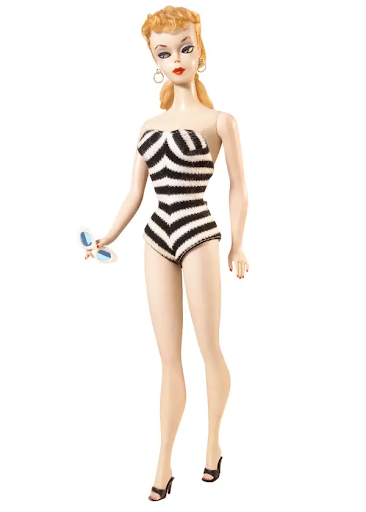
Creator of Barbie, Ruth Handler, “Inspired by watching their daughter play with make-believe paper dolls of adult women, Handler realized there was an unfilled niche in the market for a toy that allowed little girls to imagine the future.” (History.com). This Barbie’s appearance was modeled after a doll named Bild Lilli, inspired by a German comic strip character. Barbie is blonde, with bright red lipstick, and wears a black-and-white striped bathing suit. Barbie’s initial look sparked much controversy because of her unrealistic body proportions. This doll was 11 inches and had a 39” chest, 21” waist, and 33” hips. Responses to her measurements had mothers stating she had “too much of a figure.”
Barbie’s Timeline
1968
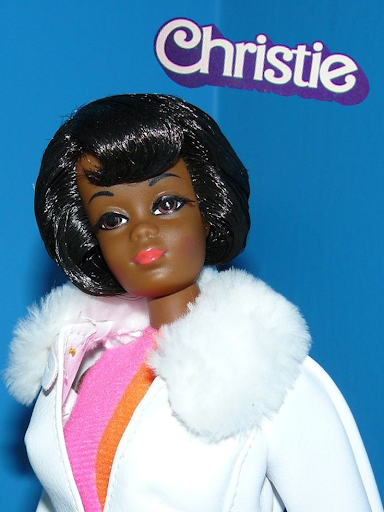
In 1968, Mattel released Christie, Barbie’s first African American friend. In support of the equal rights movement, Mattel released the doll to promote racial diversity and inclusivity. Christie received some criticism due to her not representing African cultural body image, showcasing one skin color, and seemingly following white standards of beauty.
“The introduction of Christie to the doll industry marked a significant breakthrough as it broke down long-standing barriers. Prior to her arrival, black dolls were a rarity, and this lack of representation had a profound impact on the self-esteem and identity of young girls. Christie not only challenged these norms but also paved the way for the creation of more diverse dolls in the future. Her inclusion sparked discussions about the importance of racial equality and representation in toys.” (blackdollsmatter.com)
1980
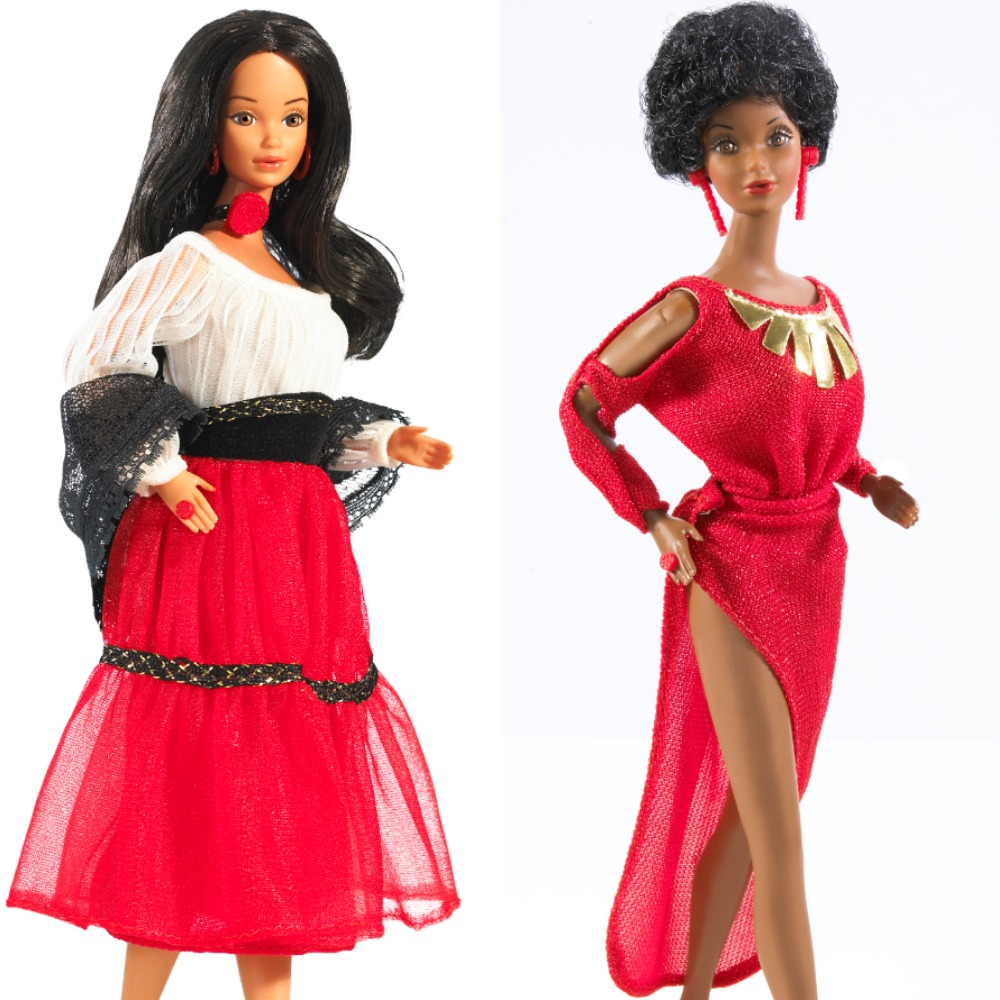
In 1980, Mattel released the first African American and Latina dolls named Barbie. While more diverse dolls were available before their release, they were the first to be called Barbie.
“She’s Black! She’s beautiful! She’s dynamite!” the doll’s box said. (businessinsider.com)
2016
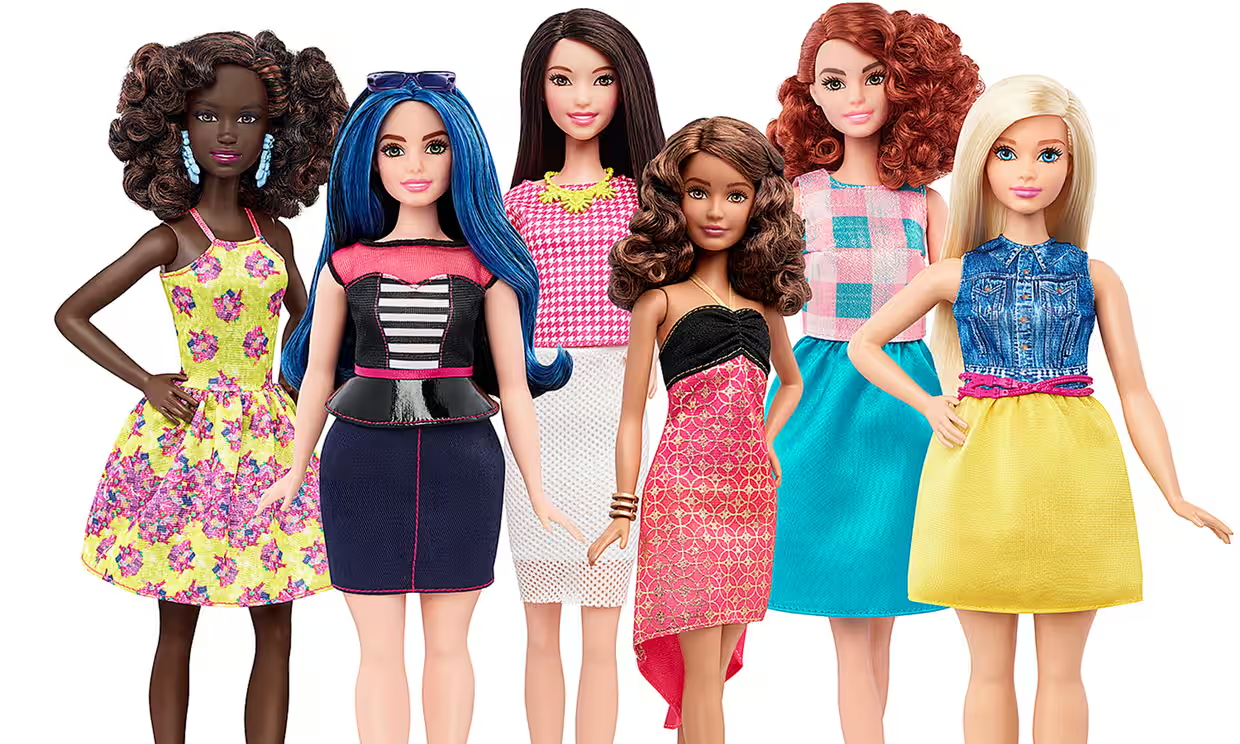
In 2016, Barbie made a huge stride in inclusivity as they introduced new body types. Alongside Barbie’s Original body type, it now included Petite, Curvy, and Tall.
“I welcome the fact that Barbies now come in foir body types and seven skin tones, and wear their hair in braids or afros. Beyoncé’s stylist, Marni Senofonte, who designed those dolls, says: “I want a girl who is not necessarily small to say: ‘OK, I could wear a crop top, and I could wear jeans with big holes in and fishnets underneath it, and I am cute.’” (theguardian.com)
2017
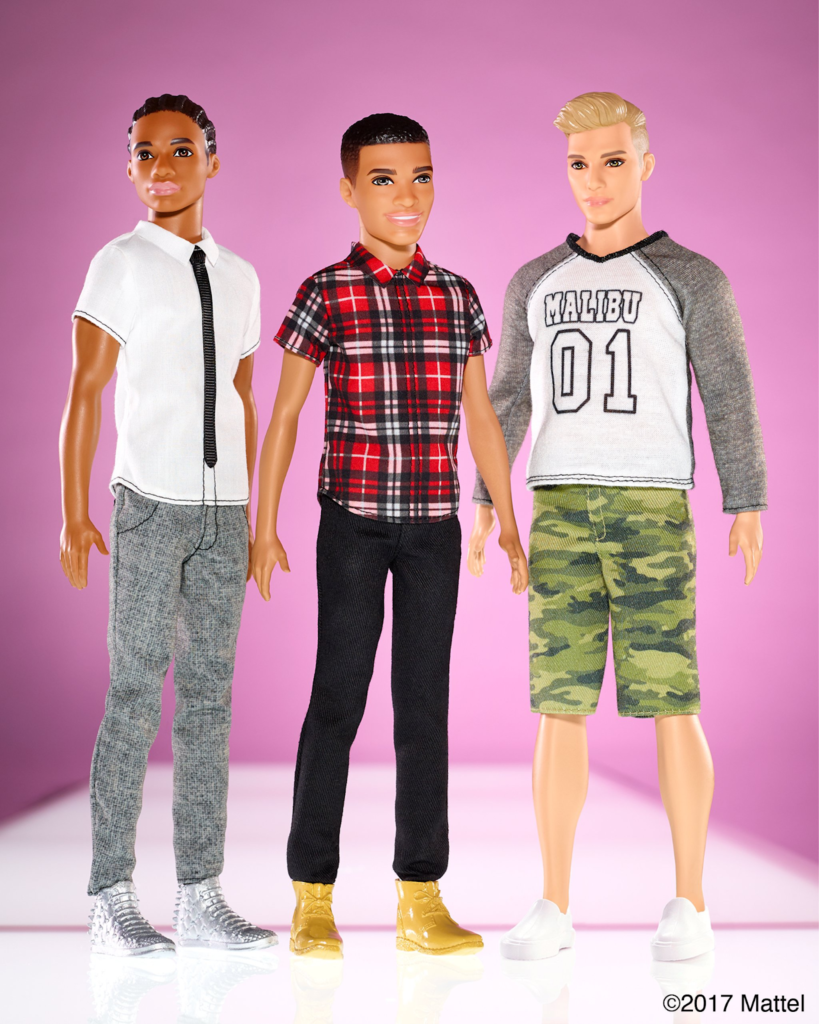
In 2017, Ken also received a makeover. Ken now had 3 body types including Original, Slim, and Broad. He also had 7 new skin tones, and 9 new hairstyles including cornrows, a fade, and a man bun.
“By continuing to expand our product line, we are redefining what a Barbie or Ken doll looks like to this generation,” Lisa McKnight, Barbie’s senior vice president and general manager.” (today.com)
2020
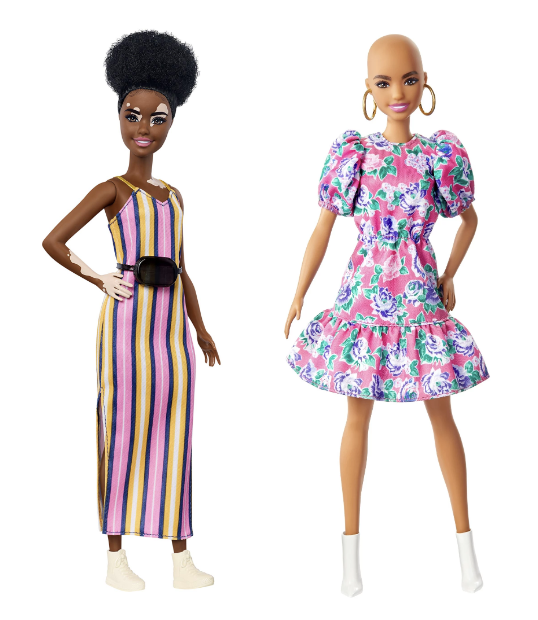
In 2020, Mattel released Barbie with vitiligo and hairless models.
“Our wheelchair Barbie and our doll with vitiligo were literally fan requests,” says McKnight. (usatoday.com)
“Mattel said its Barbie Fashionistas line has evolved over the past five years to be “more reflective of the world girls see around them,” and has introduced more than 170 looks. The dolls represent nine different body types, 35 different skin tones and 94 different hairstyles, the company said.” (fox29.com)
2022
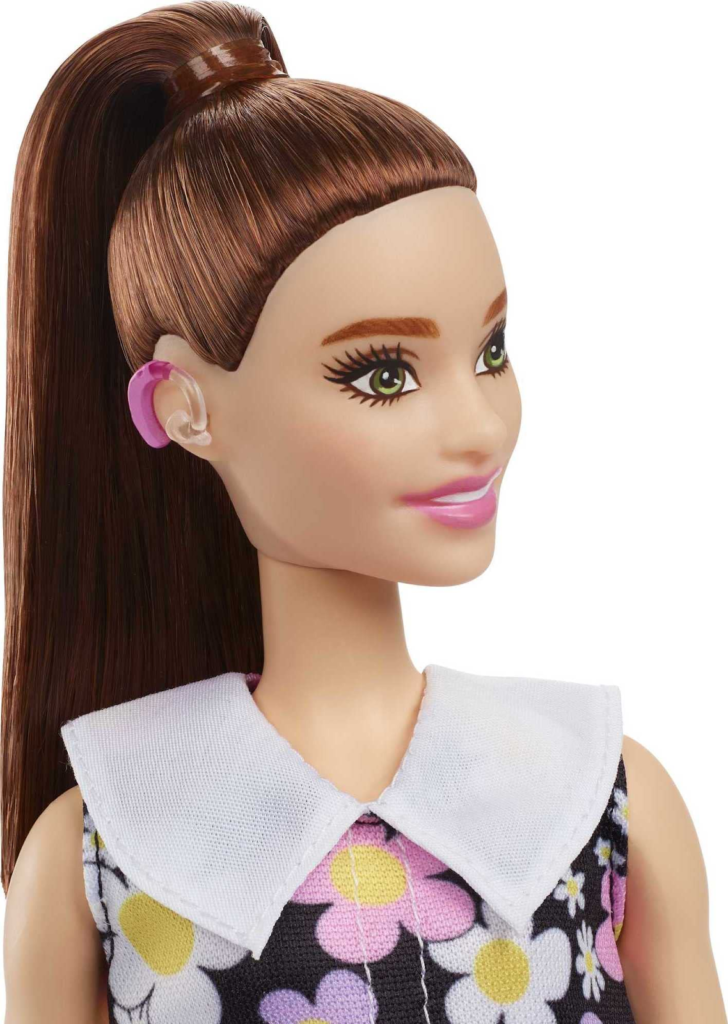
In 2022, Mattel released its first Barbie with hearing aids.
“For the Barbie with hearing aids, the company sought the expertise of Dr. Jen Richardson, a leading practitioner in educational audiology, to help accurately imitate behind-the-ear devices for the toy. Richardson said the ponytailed-Barbie complete with hot pink hearing aid could inspire those who have experienced hearing loss. “I’m beyond thrilled for my young patients to see and play with a doll who looks like them,” she said in a press release.” (cnn.com)
“…The overwhelmingly positive responses on social media, both from parents who are thrilled to be able to get their child an iconic doll that looks like them — “Oh wow, definitely getting one for my little girl. She has her hearing aids since she was 2 months old. She is 5 now and would just love a Barbie that’s like her,” and from adults who missed having that option when they were children — “As a hearing impaired woman, this is AMAZING! This would’ve meant everything to me as a child!!” (trendwatching.com)
2023
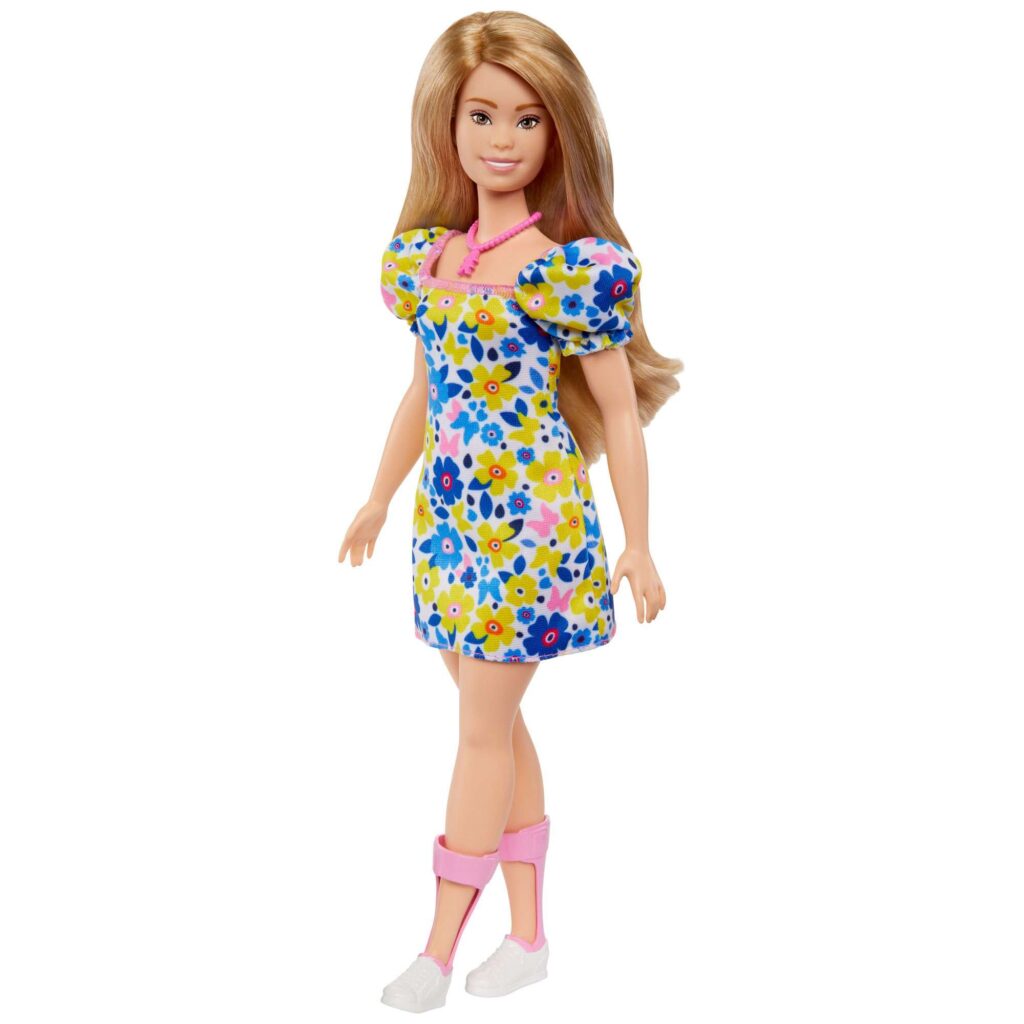
In April 2023, Mattel released a Barbie doll with Down syndrome.
“Mattel said it worked closely with the US National Down Syndrome Society (NDSS) to ensure its latest doll accurately represented a person with Down’s syndrome.
The doll has a shorter frame and a longer torso and its face is rounder with smaller ears, a flat nasal bridge and almond-shaped eyes which can all be characteristics of women who have the genetic condition.
“The puff-sleeved dress is yellow and blue, colours associated with Down’s syndrome awareness.” The puff-sleeved dress is yellow and blue, colours associated with Down’s syndrome awareness.
“NDSS president and CEO Kandi Pickard said it was an honour to work on the project.
“This means so much for our community, who for the first time, can play with a Barbie doll that looks like them.”
“British model Ellie Goldstein, an advocate for inclusion, visibility and understanding of people with Down’s syndrome, said she felt “overwhelmed” when she saw the doll. “Diversity is important…as people need to see more people like me out there in the world and not be hidden away,” she added.” (bbc.com)
Mattel’s goal is “for all children to see themselves in Barbie” and to “play with dolls who do not look like themselves.”
Lisa McKnight, global head of Barbie & Dolls at Mattel said she hoped the new doll (Barbie Fashionistas Doll #208) would help “teach understanding and build a greater sense of empathy, leading to a more accepting world.”
Reflecting on all of Barbie’s advancements, it is safe to say it is obvious why this doll has yet to be phased out. Barbie and Mattel are finding ways to keep up with the times. Consumers have brought awareness to the types of dolls people want to see and be able to own. It is crucial to have dolls on the market that reflect real lives. The newer dolls are representing the people of the world. I find the inclusivity astounding, as well as overdue. Former Barbies had been assumed to represent a particular race or ethnicity. But, there is a greater deal of involvement when a doll is made with the intent to embrace a specific culture or individuals. The Barbies of today still have a long way to go to be truly honest depictions of society. We are moving toward a more all-embracing delineation of people that sparks the opportunity for young minds to feel inspired.
Barbie’s Careers
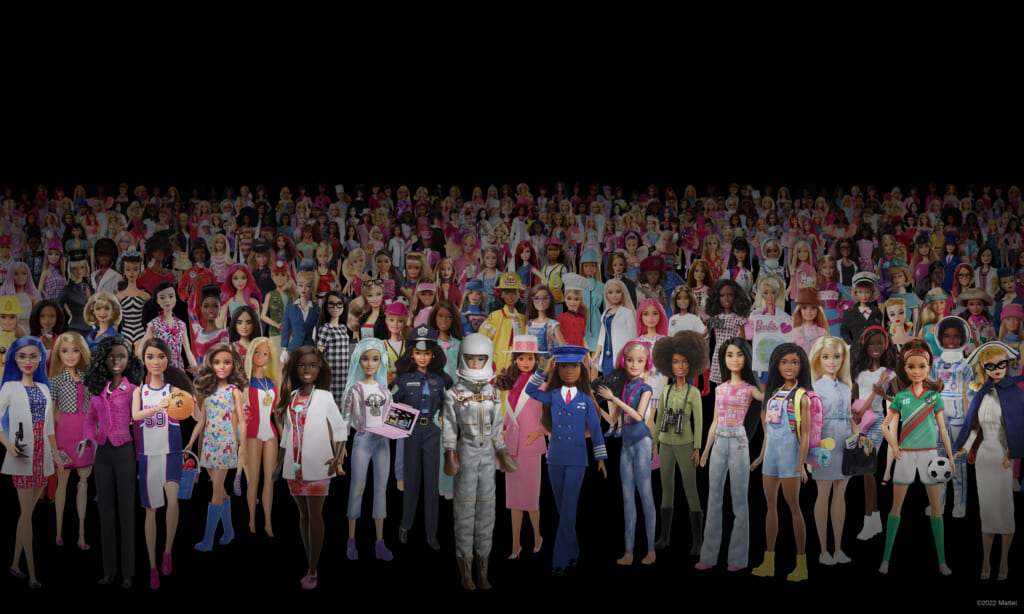
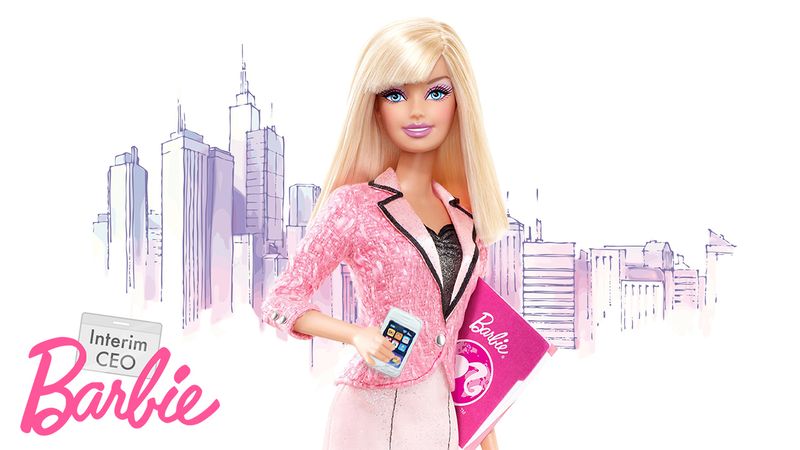
“Barbie took the career dreams of little girls beyond mother and homemaking and to serious careers through inspiration…”
- Business Executive Barbie
- Entrepreneur Barbie
- Restaurant Owner Barbie
- Chief Sustainability Officer Barbie
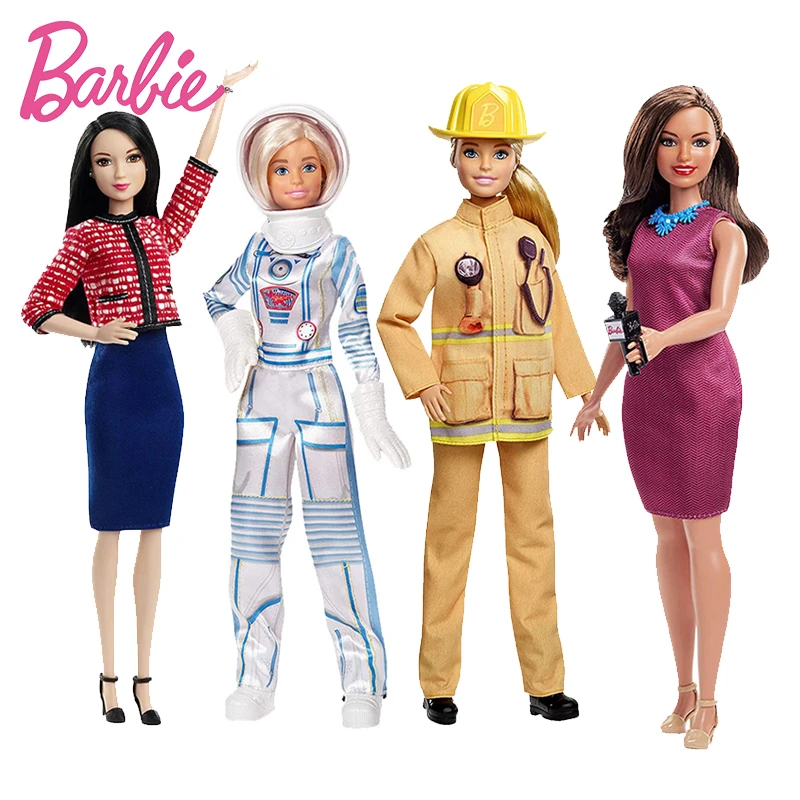
“Since then, many female leaders, including CEOs, have attributed their career success to playing with Barbie dolls as children. Barbie’s influence on young girls has helped them to challenge gender norms and inspired them to dream big and aim high.”
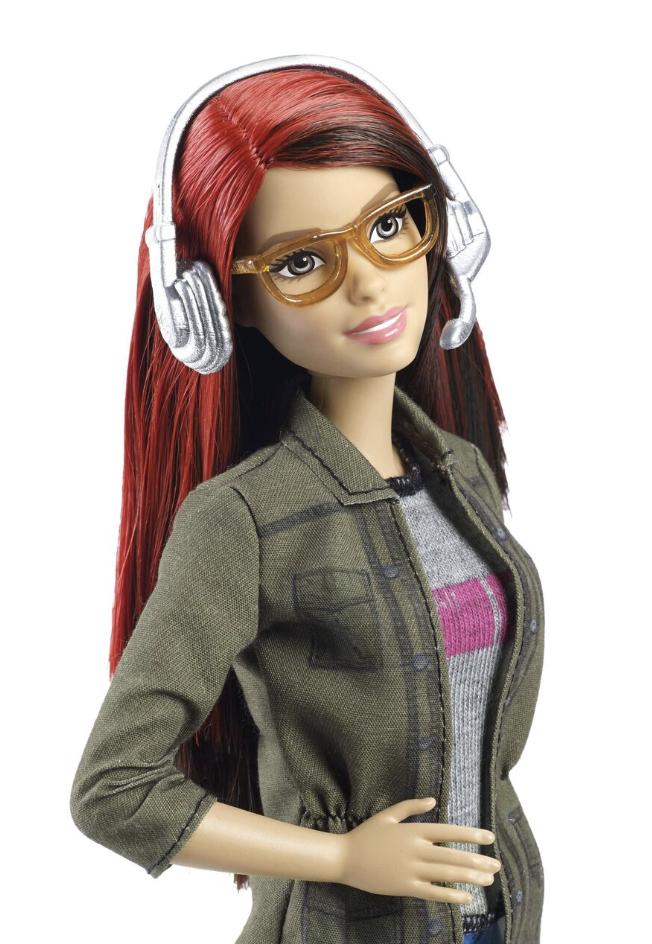
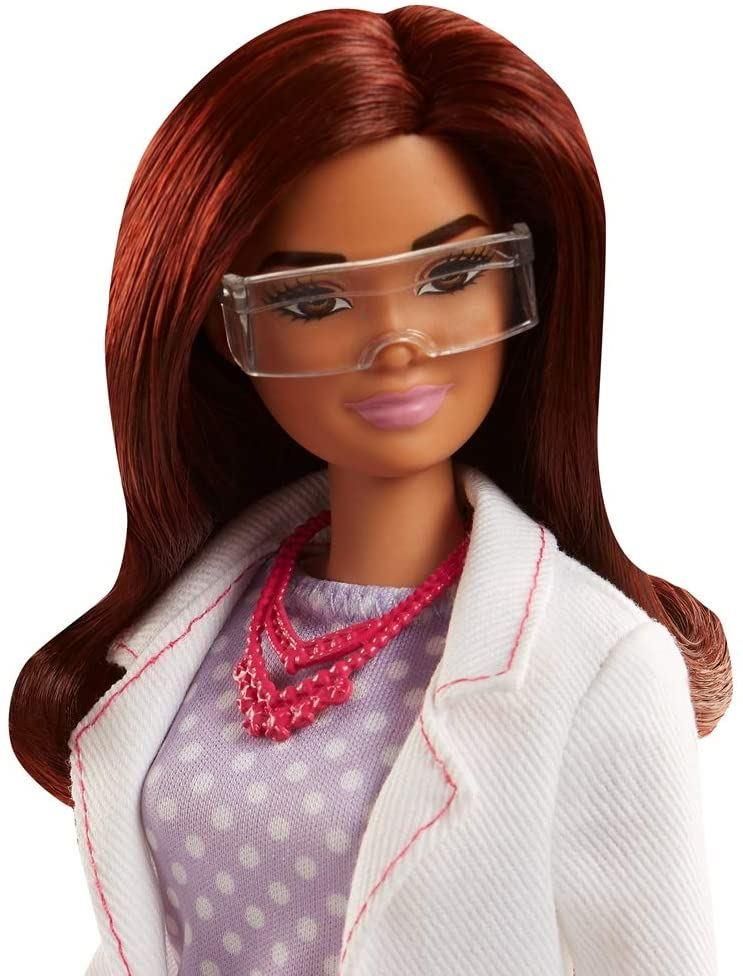
“In recent years there has been a movement to focus on encouraging more women to enter the Science, Technology, Engineering, and Mathematics (STEM) fields. One unexpected source of inspiration has come from Barbie.”
- Robotics Engineer Barbie
- Game Developer Barbie
- Computer Scientist Barbie
“Through her ever-changing world, Barbie has been depicted in several professions…”
- United States Presidential Candidate Barbie
- Astronaut Barbie
- Pilot Barbie
- Space Scientist Barbie
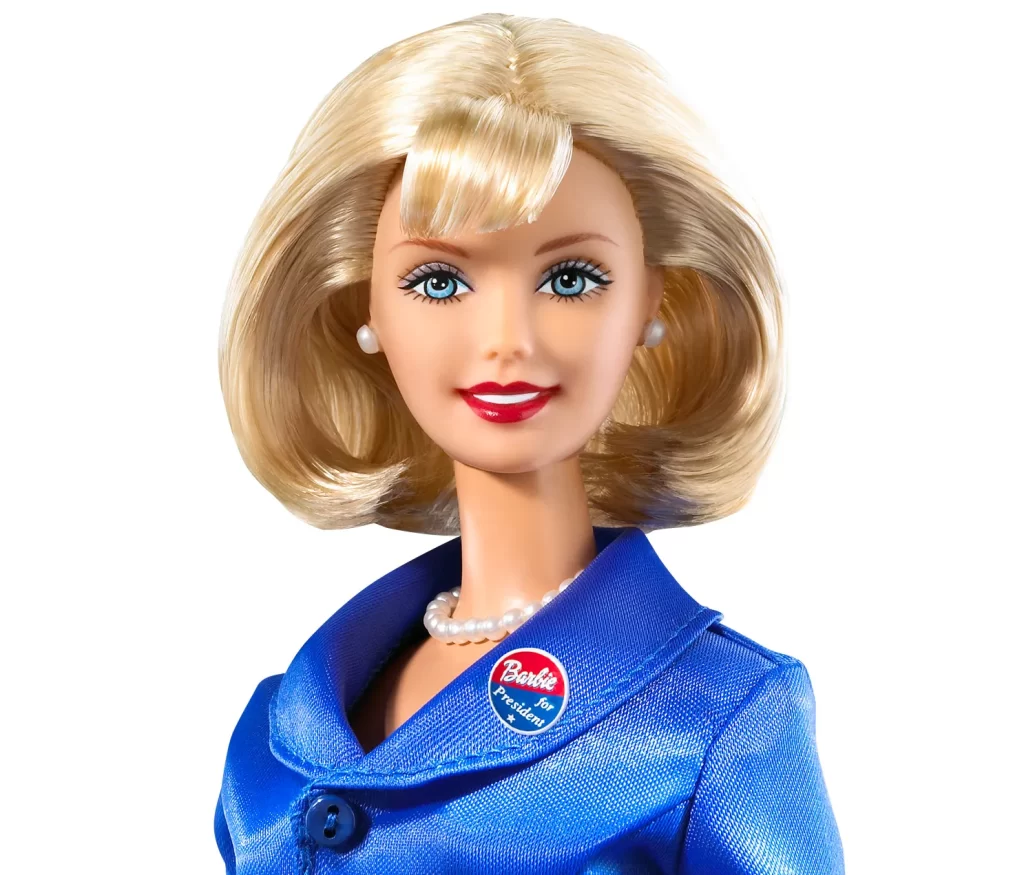
“Barbie has inspired countless girls worldwide to pursue careers in the health and medical field by exposing them to different career paths…”
- Pediatrician Barbie
- Surgeon Barbie
- Dentist Barbie
- Nurse Barbie
https://www.chandlermacleod.com/the-barbie-effect-inspiring-the-next-generation-of-female-leaders
Advertisements
Barbie Girl: “Be Who You Wanna Be” 2006. www.youtube.com/watch?v=xMZUGyzYbLU
Barbie: “You Can Be Anything” 2016. https://www.youtube.com/watch?v=RxI0EH10e_A
Barbie: “A Doll Can Help Change The World” 2022. https://www.youtube.com/watch?v=6mJzUfXLKys
The Barbie Movie
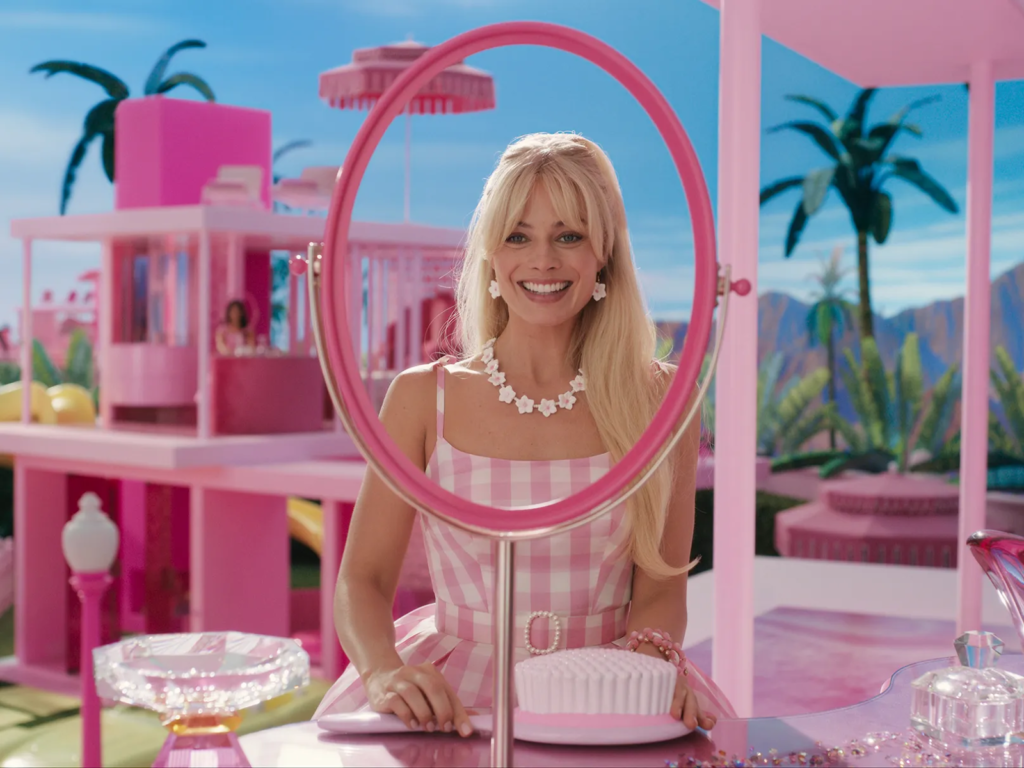
The movie Barbie was directed by Greta Gerwig and released in 2023. The film was heavily anticipated and shocked many viewers with the topics discussed in the movie that most people thought would revolve around the doll itself rather than its representation of women.
There are many things this movie does well in terms of promoting feminism. Barbie introduces the audience to Stereotypical Barbie, a doll that is meant to represent a woman. As soon as Barbie makes her way into the real world, she is exposed to many concepts and ideologies that didn’t exist in BarbieLand. Viewers are allowed to reflect on women as an institution and the gender roles and cultural practices imposed on them. Barbie realizes she wants more in her life than to stay confined in her habitual routines. Regardless of not knowing the reason she is craving this, Ruth allows her to become human. This movie focuses on the individual. Barbie questions what she was made for. I think we aren’t supposed to have an answer to that question. I find that Barbie encourages the audience to explore the possibilities of life. The opportunity to discover who we are and make mistakes along the way is a gift. As humans, we rediscover what we think we like often, and we are not bound by the expectations foisted upon us.
So… Has she ever been a Bimbo?
No, I don’t think Barbie has ever been a Bimbo. As I take Ruth Handler’s original idea for Barbie into consideration, it isn’t easy to label Barbie as such. While there is a surge in the redefining of the word ‘bimbo’ as it relates to feminism, I don’t particularly find it fitting. Barbie has inspired young lives to “Be Who You Wanna Be.” In my own life, Barbie has been a positive influence. She continues to encourage young people to dare to dream big. This is reflected in her multitude of careers. Rather than examining her face and figure, we should look to valuing her mind and benevolent attitude. Barbie (2023) strips down the self-imposed stereotypes that society has placed on the doll. The Barbie doll’s evolution and history is extensive and complex. Barbie has always been critiqued. Similar to the women she is meant to represent and inspire, Barbie may not have it down perfectly. It is important to acknowledge the doll’s origin and how we got here. But, we also must be conscious of the advances Mattel has made to represent minorities and individuals better.